
Post-Impressionism · 1839–1906
Cézanne's Card — the Mont Sainte-Victoire painting studio
Short parallel patches that build the picture out of colour, and 27 Provençal palettes — Mont Sainte-Victoire, the Bibémus quarry, The Card Players, still lifes with apples. The studio turns Cézanne's constructive brushwork into an engine you can tune, then export.
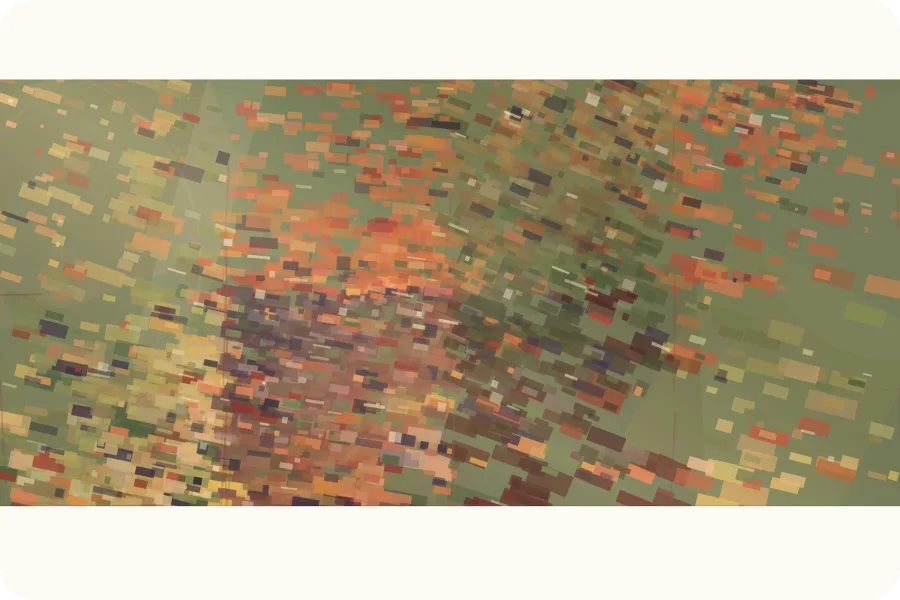
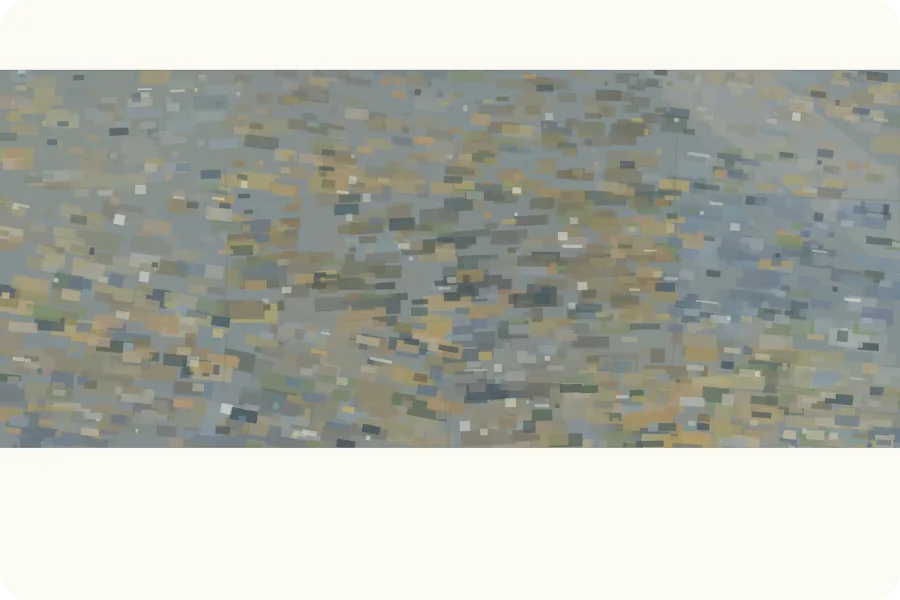
Paul Cézanne spent his life in and around Aix-en-Provence, painting the same subjects again and again — the mountain, the quarry, the bay, the apples — because he was after something slower than a view: how to build a picture from colour itself. His stroke is a short, parallel patch, laid in sequences that step across the canvas like masonry.
The engine works the same way. It places rows of patches that lean with the card's terrain, letting planes rise out of colour instead of being outlined; ochre, olive, clay red and the blue of distance are kept in the proportions of the Provençal canvases. Where the Van Gogh engine moves, this one builds.
Density charts how much of the surface has been constructed; direction steers the patch rhythm; the text layer and the white borders work exactly as in the sister studios — then export the card as a still, an animation, an embed or a print.
The paintings behind the palettes
Each palette is a specific place or still life from Cézanne's Provence, kept in its own key. A few from the drawer:
Mont Sainte-Victoire
The limestone mountain in its three registers: green foreground, ochre slopes, blue distance.
Bibémus Quarry
Orange rock walls and green shade — the abandoned quarry just outside Aix.
The Card Players
Earthy browns and blues, quiet and monumental.
Still Life with Apples
Apples, drapery and tabletop built patch by patch.
The Bay of Marseille
Blue water, pale sky and red roofs, seen from L'Estaque.
The Jas de Bouffan
The family estate: ochre walls, deep green shade, Provençal sky.
What the engine paints
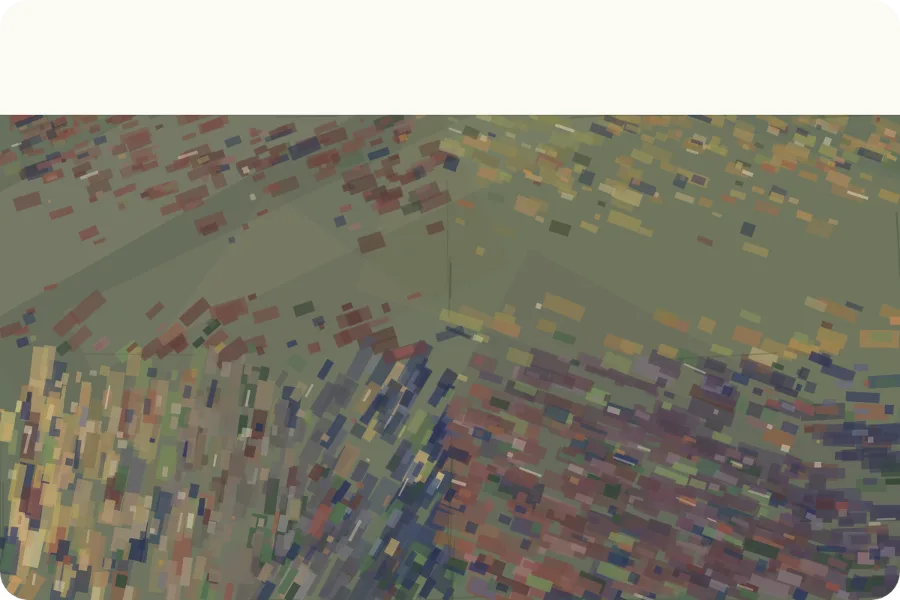
The engine is a bricklayer, not a wave. It stacks short patches in parallel runs, plane after plane, until the card's ground, middle and distance each hold their own register — the way the mountain canvases are built.
- Parallel patches: short strokes laid in runs, building planes the way tiling builds a roof.
- Modulated colour: neighbouring patches step through close tones instead of bouncing between extremes.
- Constructive edges: boundaries appear where two patch systems meet — rarely as a line.
- Provençal registers: greens, ochres and sky blues kept in the palette's own proportions.
The stroke language
Short parallel patches and hatching that build planes, not outlines.
Cézanne wanted to paint from nature the way the old masters painted in the studio — ordered, but observed. The result is a calm surface on which you can watch the construction happen; the engine keeps that calm by never letting a patch shout above its neighbours.
Watch this studio paint
One seeded card, painting itself stroke by stroke — the same animation the studio exports as a GIF.
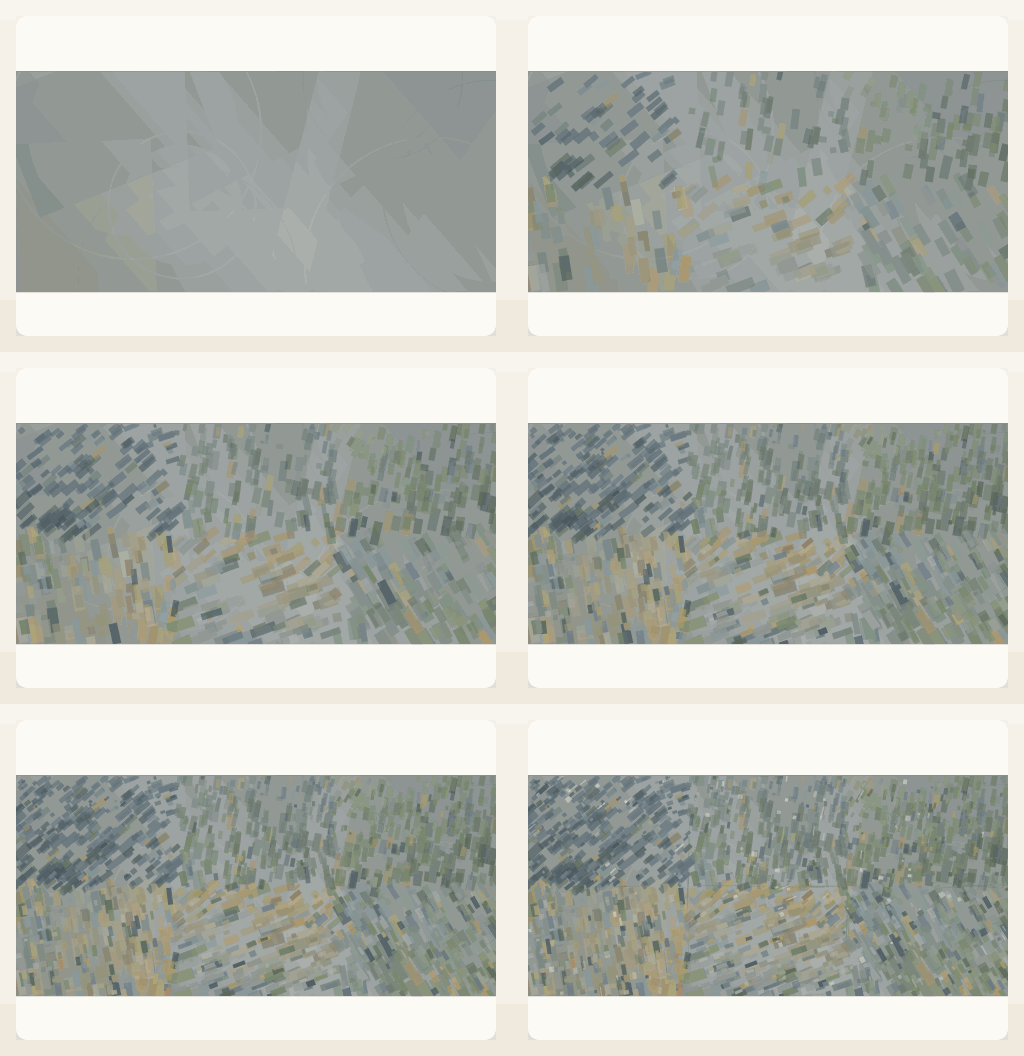
Sample cards from the 27 palettes
A few of the colour worlds waiting in the palette drawer. Every studio carries a full gallery of all 27.
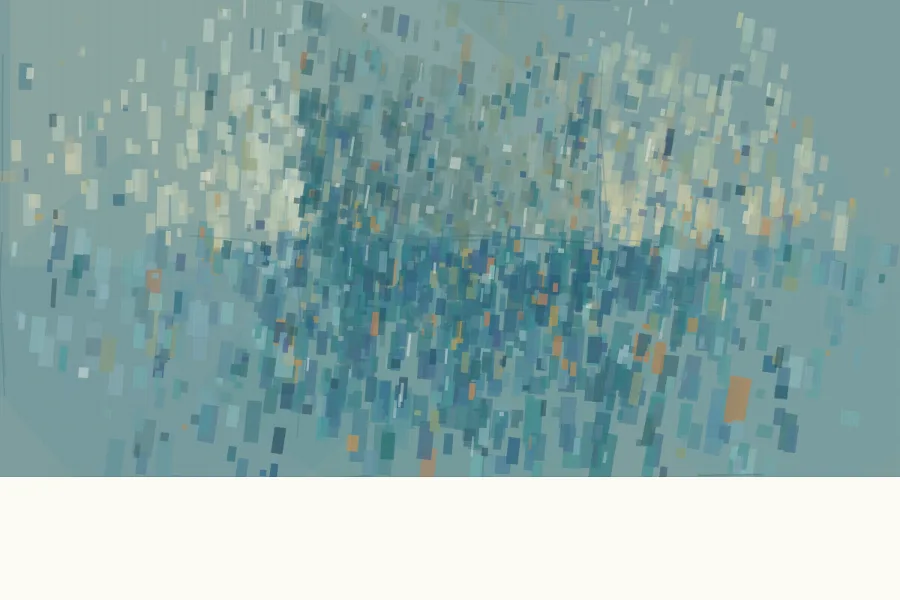
Explore Cézanne's Card in depth
The studio site goes further than the canvas: story pages, a full palette gallery, and the family page on the three painters.
- Mont Sainte-Victoire painting studioBuild a Cézanne-style card live — colour patches, text and seven export formats.
- Cézanne's Provence: the mountain, the quarry & the studioMont Sainte-Victoire, the Bibémus quarry, the studio at Les Lauves and Jas de Bouffan.
- Cézanne palette gallerySample cards built from each of the 27 Cézanne palettes.
- Monet, Van Gogh and Cézanne — the three paintersThe painters behind the three studios, with the friend-site links.
The story behind the palettes
Cézanne's Card keeps a Provence story page on its own site: the mountain he painted some eighty times, the Bibémus quarry he worked for years, the Jas de Bouffan, and the studio at Les Lauves where he painted to the end.
On the studio site you will find the painting studio itself — patches, palettes, text tools and seven exports — plus the Provence story page and a gallery of cards from all 27 palettes.
Frequently asked
What is constructive brushwork?
Cézanne's method of building form from short parallel patches of colour rather than outlines. The studio's engine reproduces that method stroke by stroke, so planes rise out of the surface.
Which Cézanne paintings do the palettes come from?
Twenty-seven — among them Mont Sainte-Victoire, Bibémus Quarry, The Card Players, Still Life with Apples, The Bay of Marseille and the Jas de Bouffan. Each palette is named after its painting.
Do I need to know Cézanne's work to use the studio?
No. The engine simply responds to palette, density and direction. Familiarity with the canvases only makes the results more interesting to compare.
What can I export from the studio?
PNG, JPEG and WebP stills, an SVG vector, an animated GIF of the card being built patch by patch, a self-contained HTML snippet and a print-ready PDF.
Related pages
Each page has its own focus — here is where to go next.
- Painter's Cards — the three studiosThe hub for the Van Gogh, Cézanne and Monet card studios — pick a painter and paint.
- Van Gogh's Card — Starry Night studioSwirling impasto strokes from 27 palettes distilled from his paintings.
- Monet's Card — Giverny garden studioSoft broken strokes and water-lily light from 27 Monet palettes.
- Van Gogh vs Cézanne vs Monet — which studio?A side-by-side comparison of the three engines, strokes and palettes.
- The gallery — cards from all three enginesA gallery of cards painted by the three engines, and the paintings behind each palette.
- Guide — paint, decorate & export a cardStep by step through the studios and the seven export formats.
- About Painter's CardsThree free browser studios, one family — how it works and why nothing is uploaded.
- Terms & open-source fontsFree, no login, nothing uploaded — and the full open-source font list.